Hedge Trimming
Hedge Trimming in Stirling & Central Scotland.
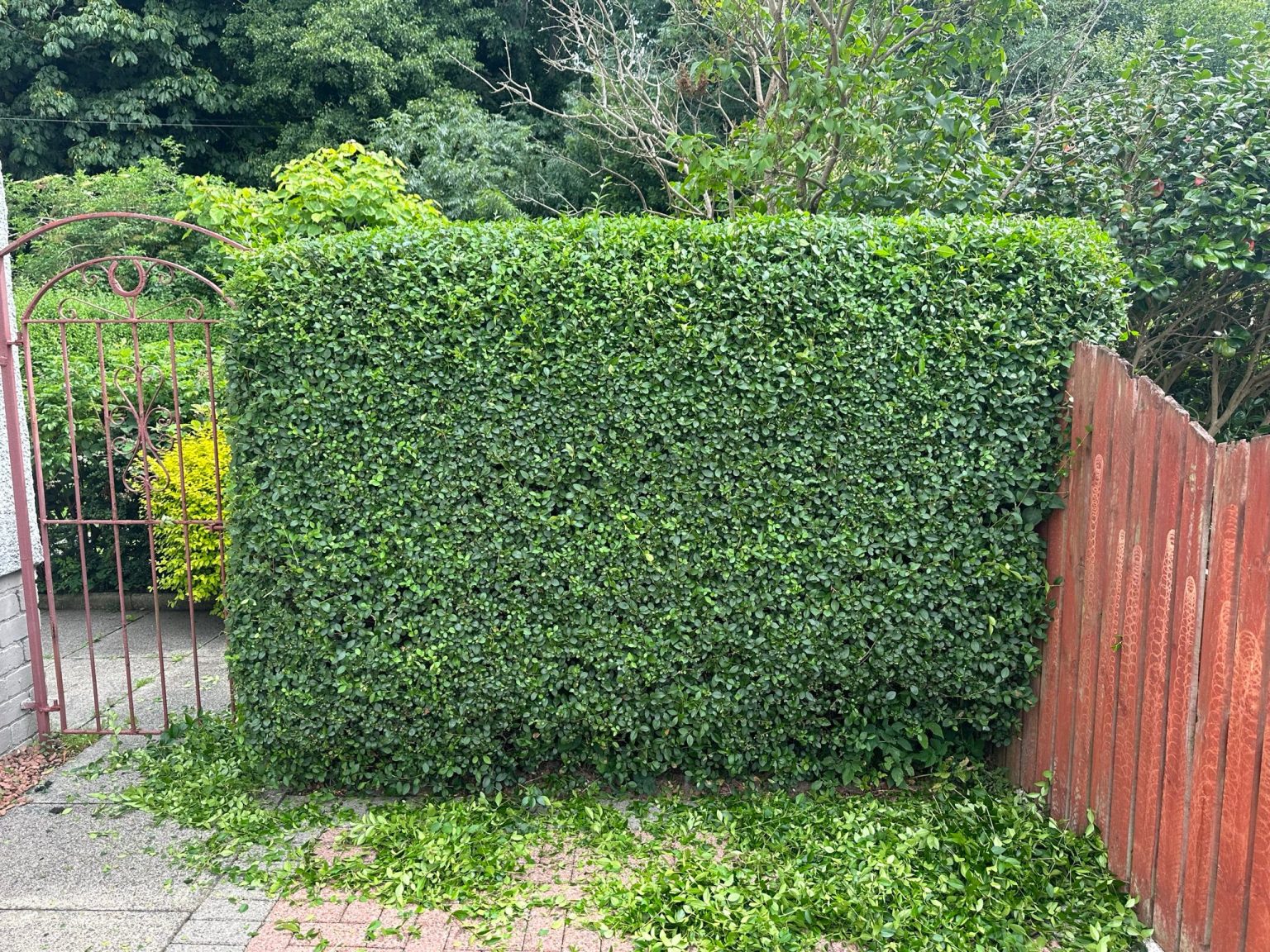
A well-kept hedge sharpens up the whole front of a property. A neglected one steals light, spills over the pavement and gets harder (and pricier) to fix every year. Staleys Tree Solutions Ltd provides professional hedge trimming and hedge cutting for homes, businesses and landlords across Stirling, Falkirk and Central Scotland, from a tidy garden boundary to long, overgrown or very tall hedges.
More than a tidy-up?
Good hedge cutting isn't just about looks. Done properly, it encourages healthier growth and denser foliage, keeps boundaries clear, and helps your hedge live longer. For every job we consider the hedge's species, its health, its shape and what you want it to do, whether that's privacy, shelter, a formal edge or a wildlife-friendly boundary.
Done properly, at the right time
Timing matters. Between roughly March and August, nesting birds are protected by law, and we check hedges carefully before cutting. In practice, the best time for most hedge work is late summer through autumn and winter, which makes right now a great time to book in.
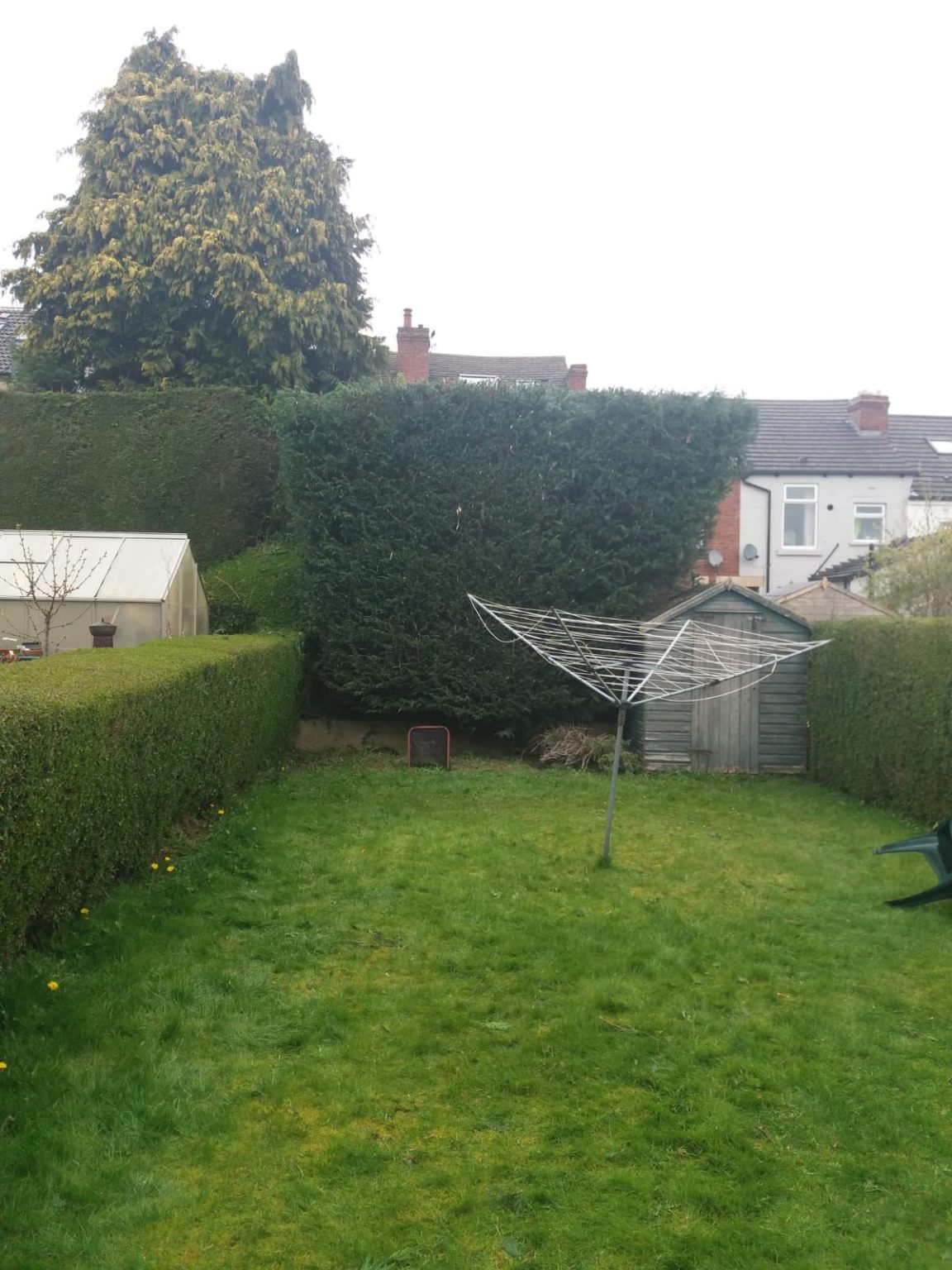
Species matter. Some hedges, Leylandii especially, shouldn't be cut back too hard into bare brown wood, because they often won't regrow. We'll tell you honestly what a hedge can take and, if it needs reducing over time, plan it in stages.
Neighbours and boundaries. Hedge height can be a sensitive subject. We're happy to talk you through the options if a hedge is causing concern, and you may also want to read up on the High Hedges (Scotland) Act, which covers evergreen hedges over two metres affecting neighbouring property.
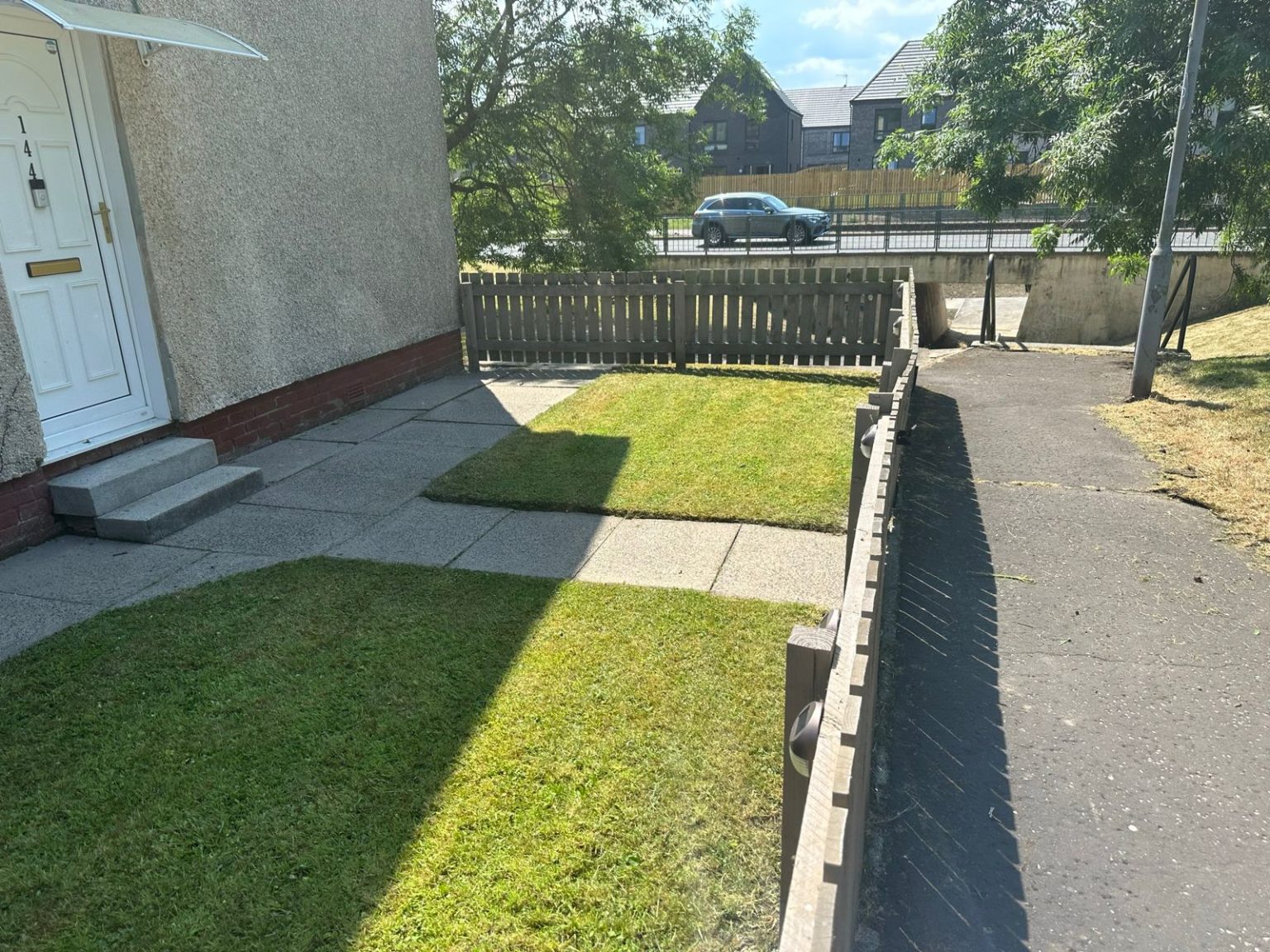
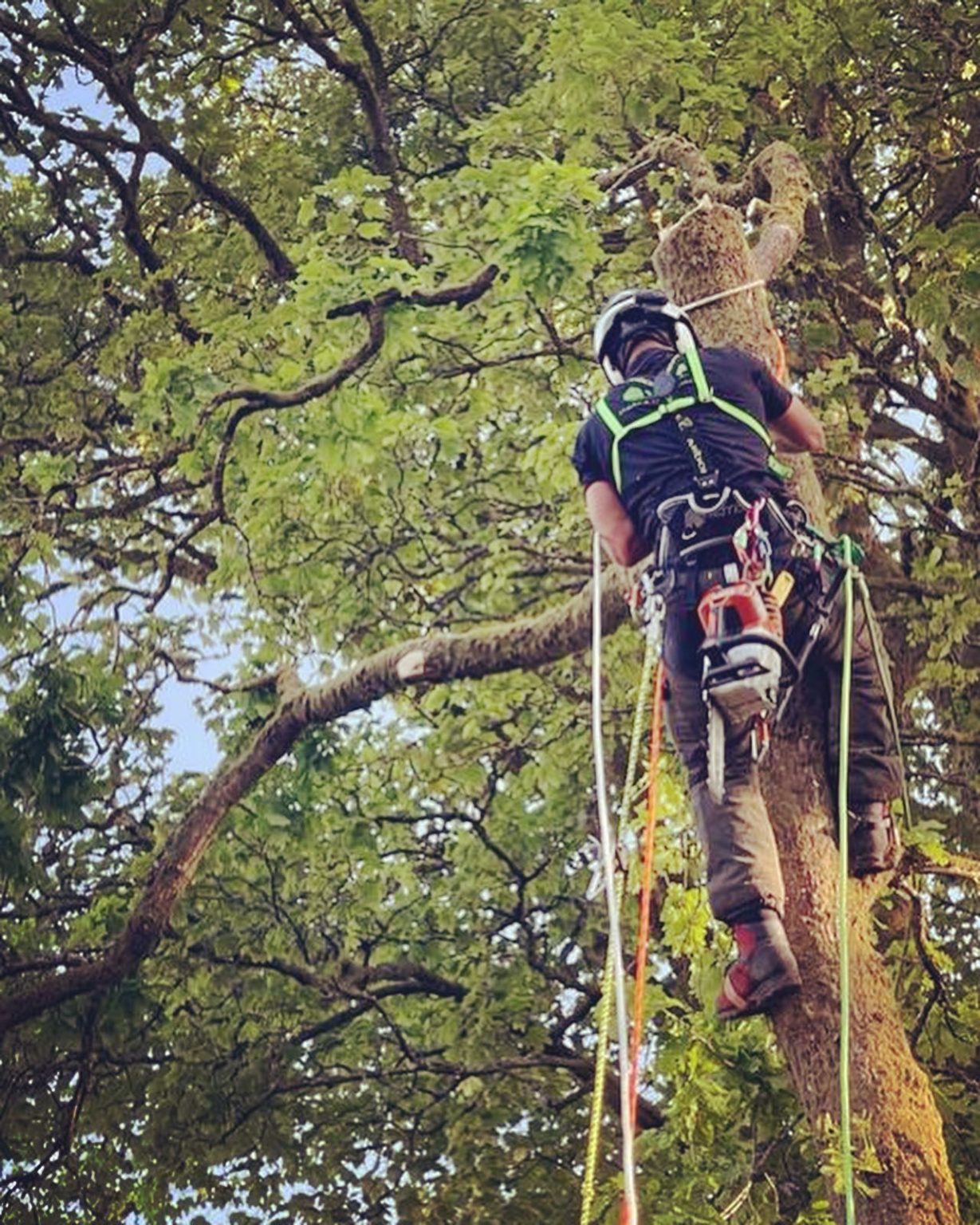
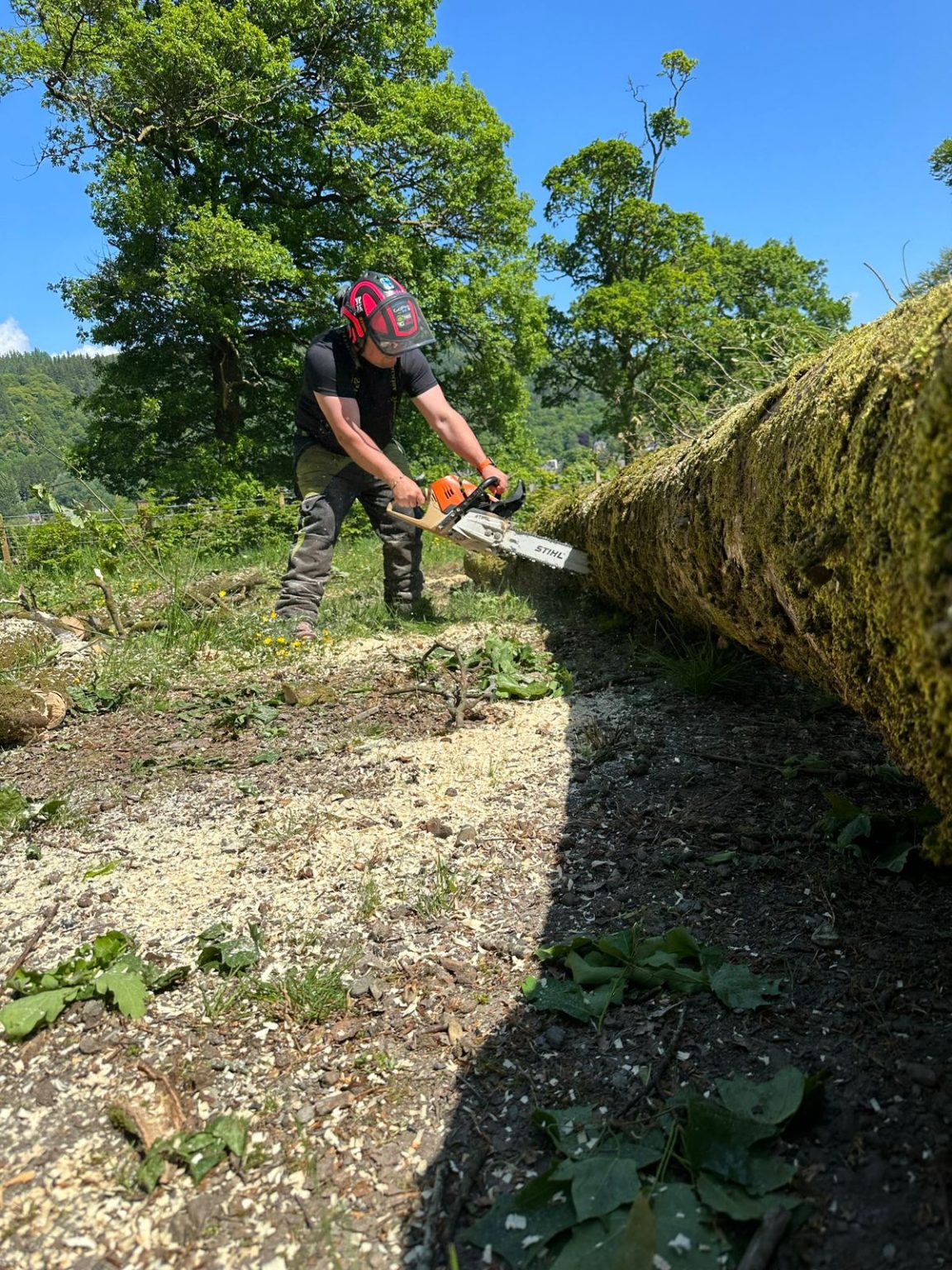
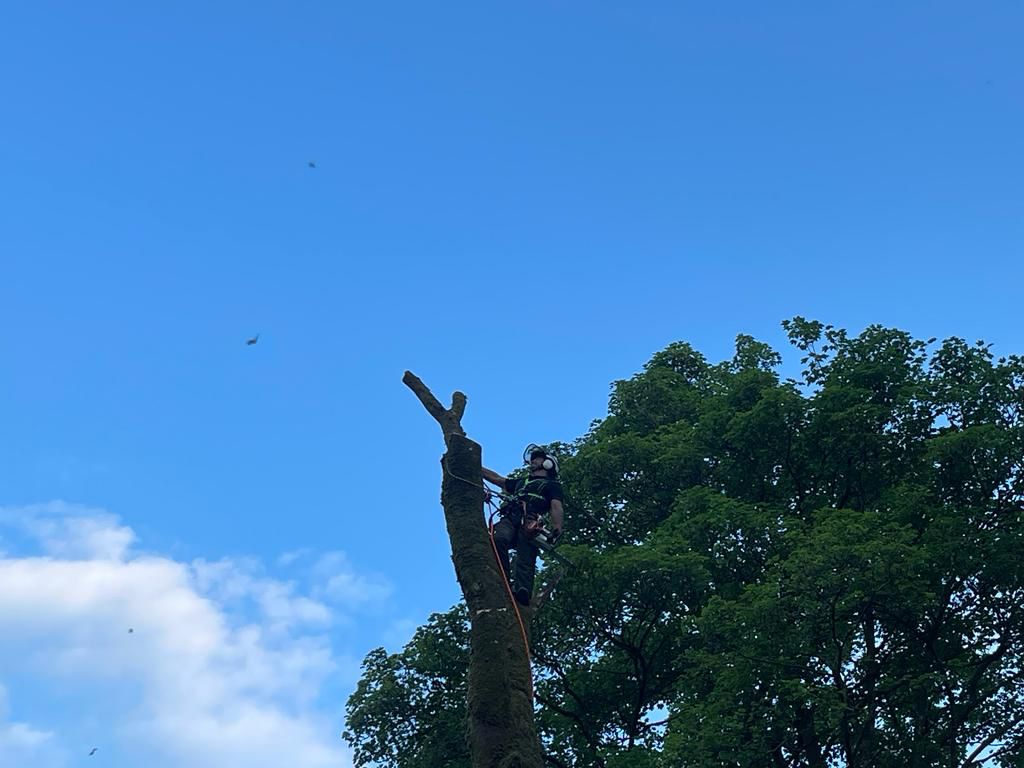

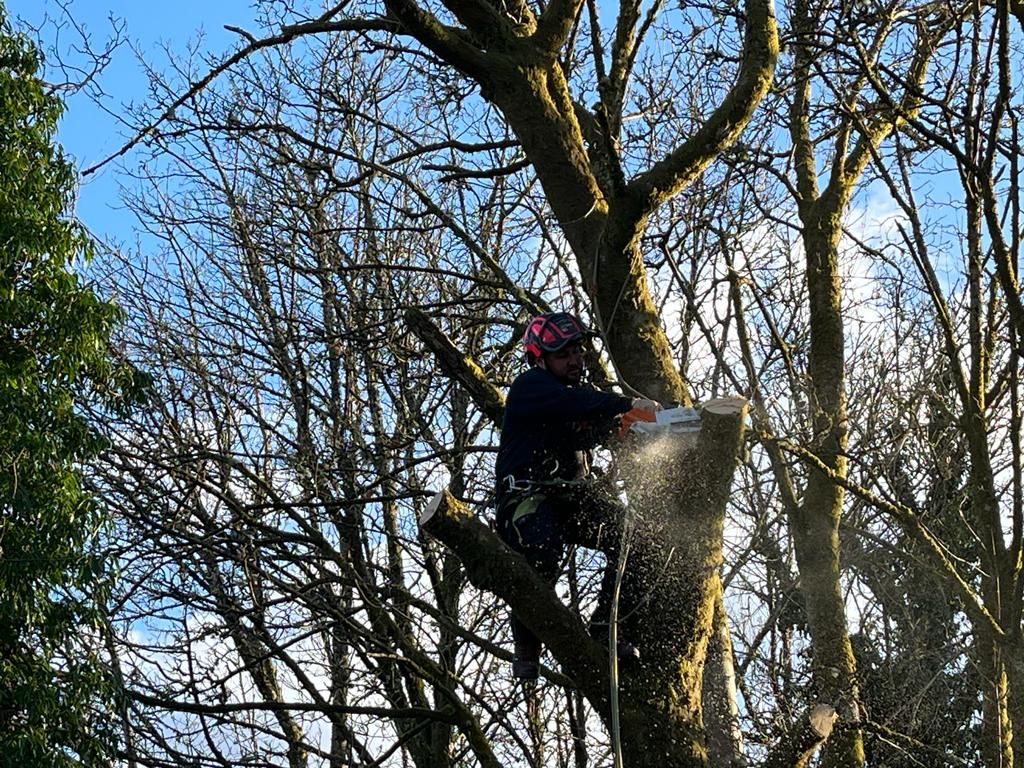
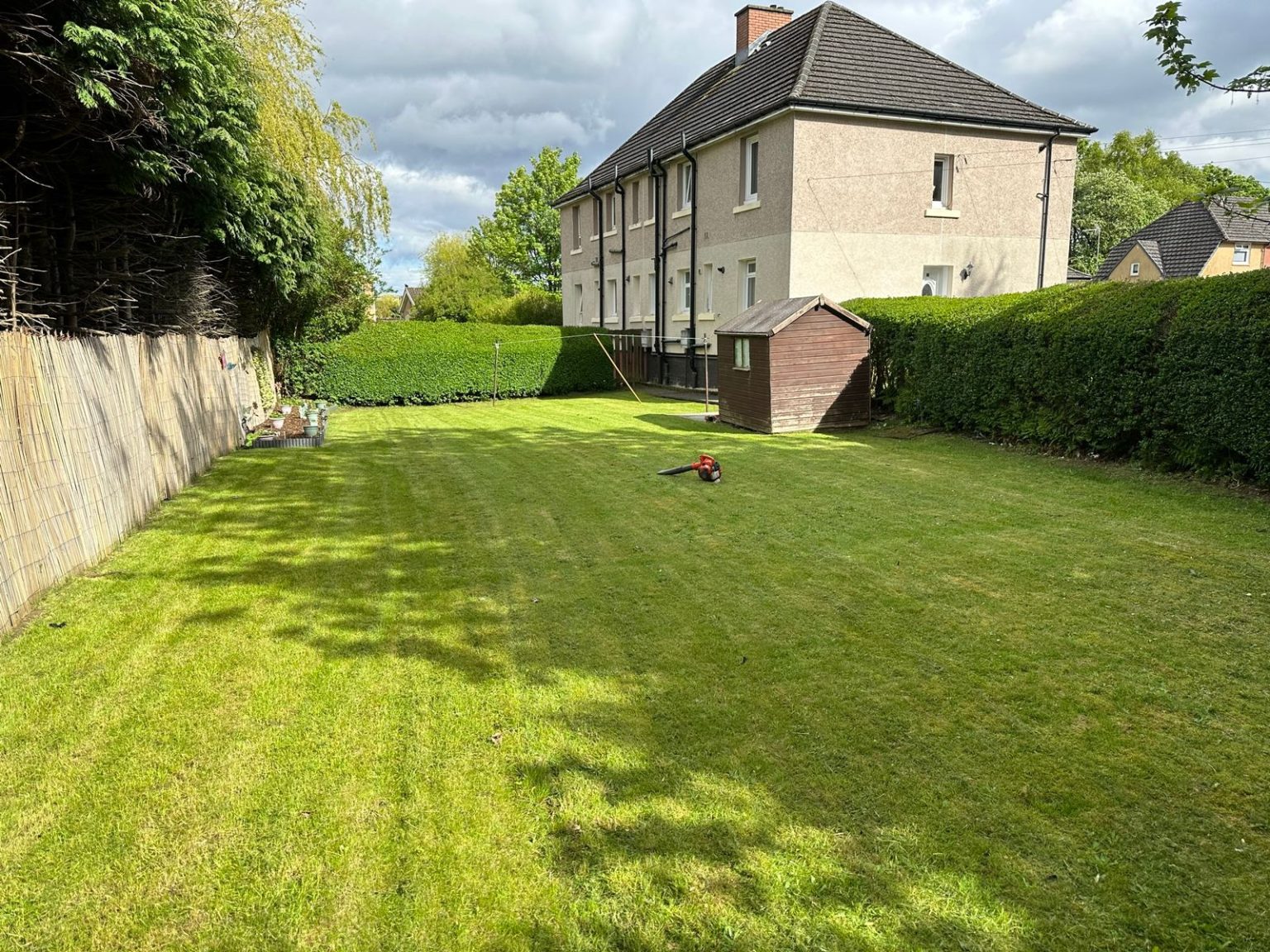
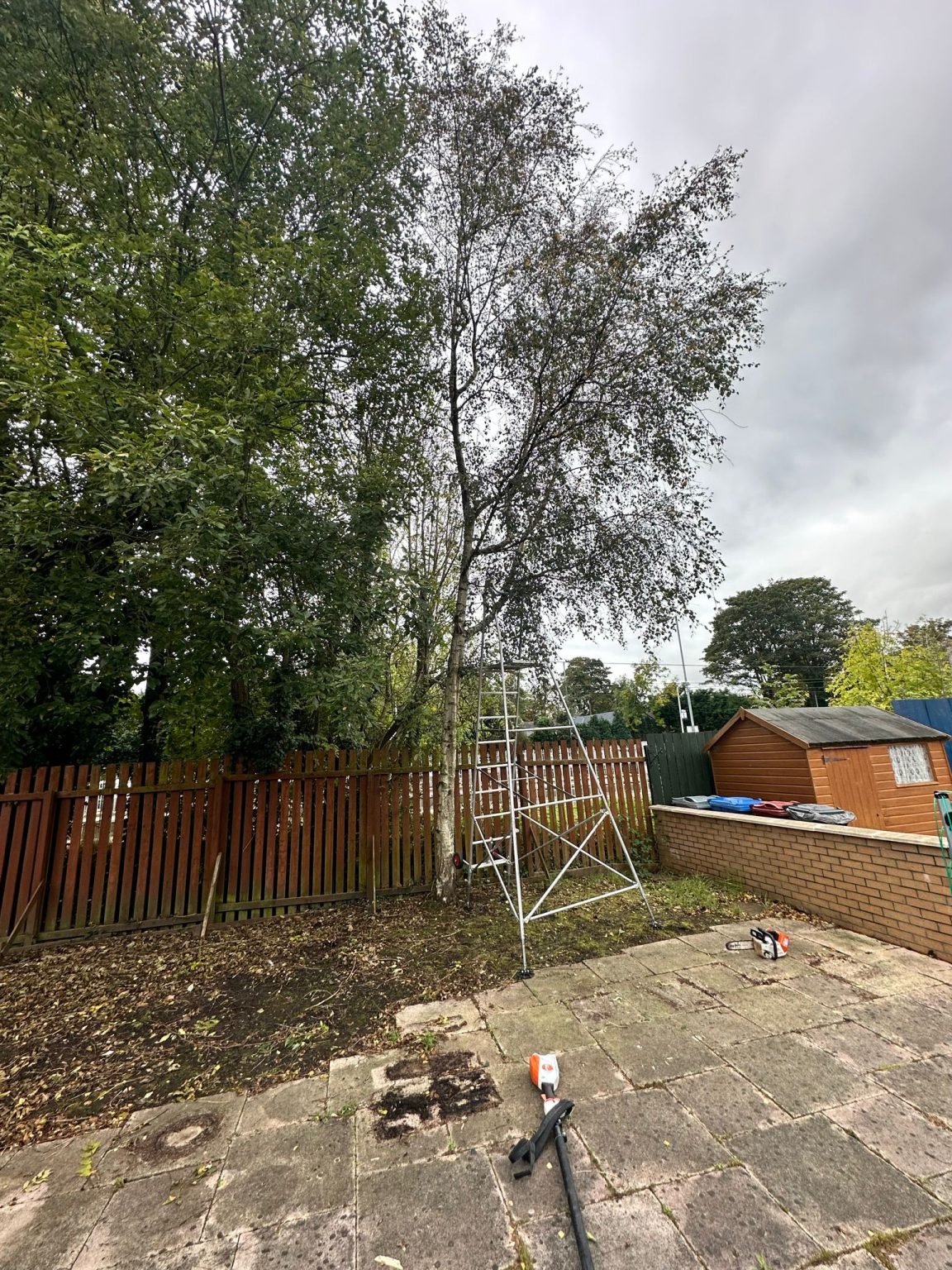
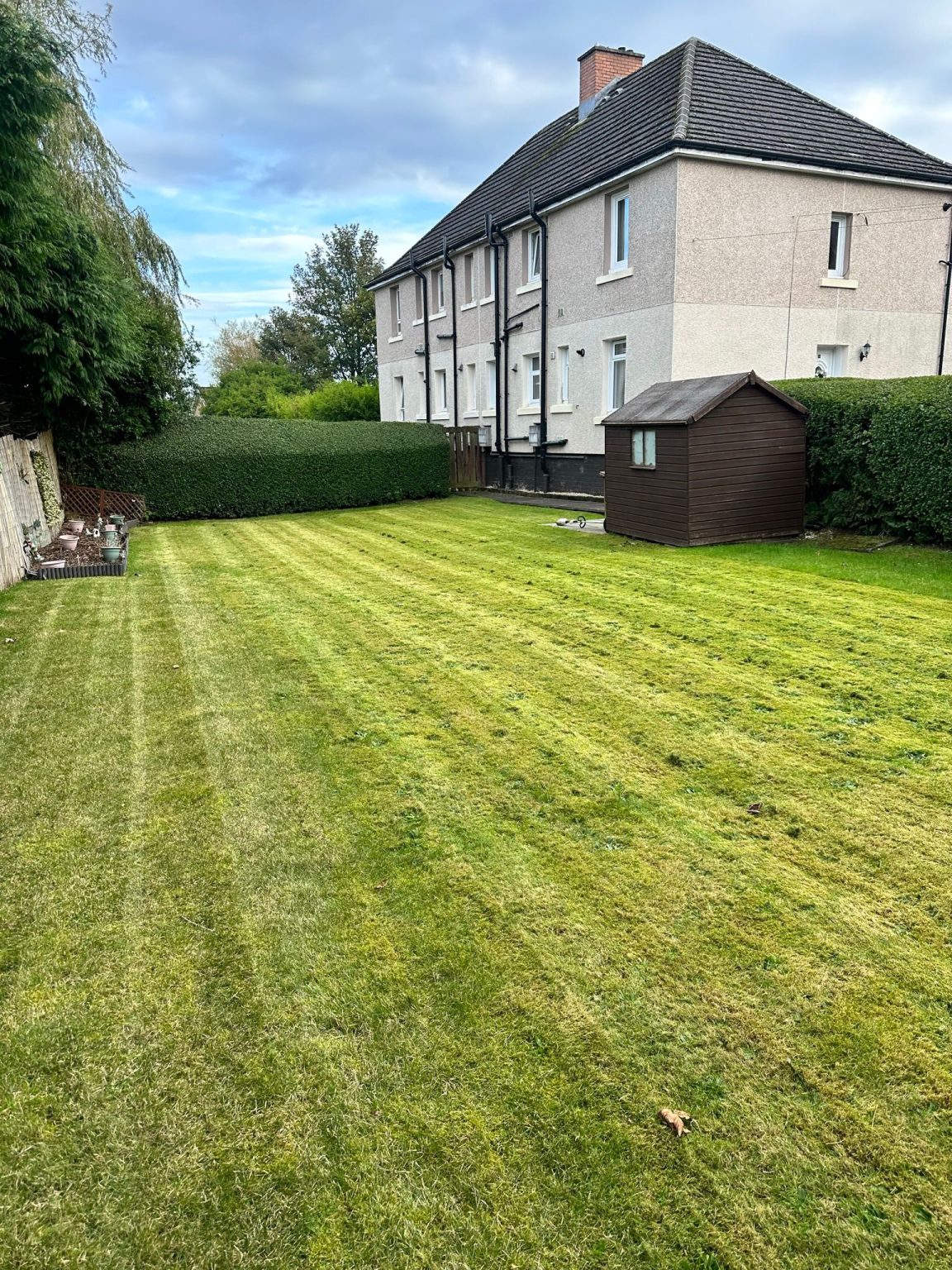
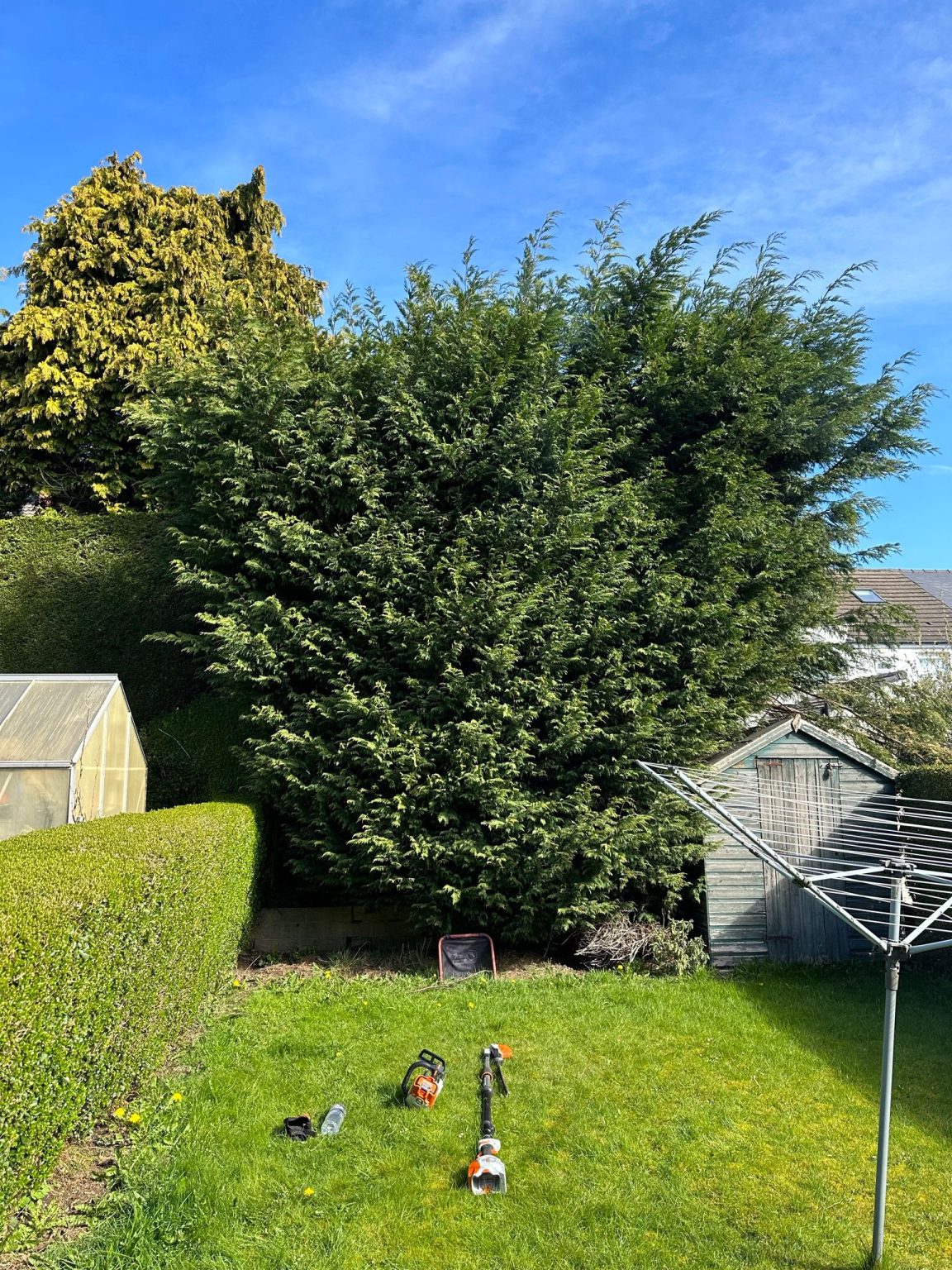
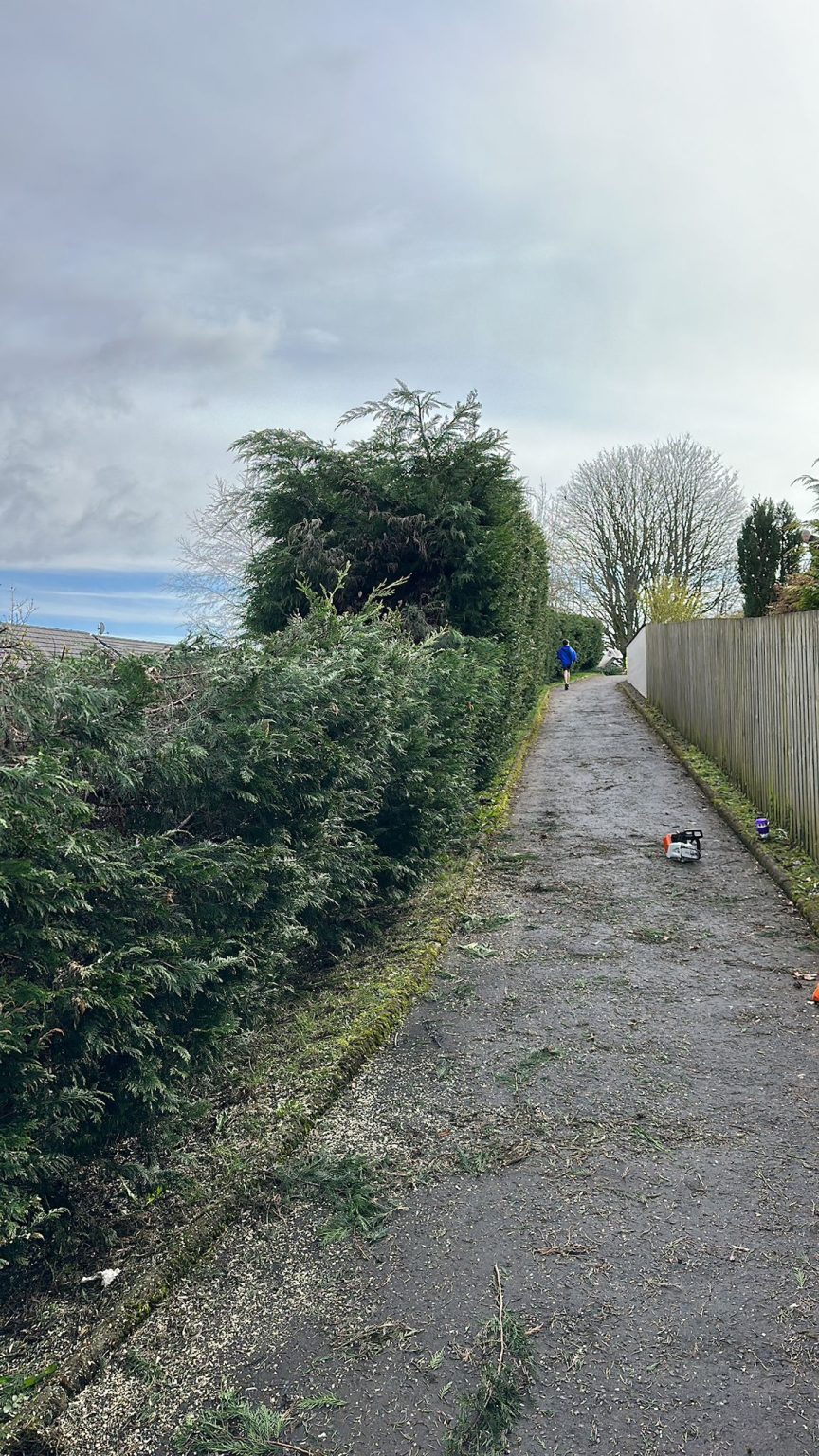
Your go-to team for tree solutions.
Wondering how often your hedge needs trimming, when the best time to cut is, or whether we can tackle an overgrown or very tall hedge? Below are answers to the questions we hear most from homeowners, landlords and businesses across Stirling and Central Scotland.
Most formal hedges need cutting once or twice a year. Fast-growing hedges such as Leylandii and privet often need more frequent attention, while native or informal hedges may need less.
Late summer to winter is usually ideal. Between March and August we check carefully for nesting birds before any work begins.
Yes. We're equipped and trained to reduce tall and overgrown hedges safely, using mobile elevated working platforms where needed.
Yes. All waste is removed and responsibly disposed of, and we leave your property clean and tidy.
Super helpful. Great advice. More interested in helping us solve the problem, than making money from us. Really appreciated that and of course the advice which enabled us to remove a tree stump from a building. 3 other tree surgeons said it couldn’t be done!

Good price snd very knowledgeable. Lovely guy. And tidied away really well afterwards. Definitely recommend x
Excellent work, very professional polite and hard working. Used a few times competitive prices. Clean and tidy.
First class service from this company. Will definitely recommend! Garden was left immaculate after having 3 trees removed.
Can vouch for this company’s expertise and conscientious business practices. Highly recommend.
He Great at the job I will use again